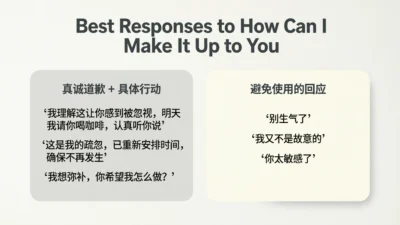
Responding to how I can best support you is something that can feel tricky in real life. Imagine your teacher, friend, or boss asks you this question, looking genuinely concerned, and you want to reply in a way that’s clear, honest, and helpful. You might feel a little awkward at first because it’s personal, but the right words can strengthen your relationship and show your communication skills.
Responding to how I can best support you, I’ve been in this situation many times, whether it’s at work, with friends, or even with family. Knowing how to respond thoughtfully can make the other person feel appreciated and actually help you get what you need.
In this guide, I’ll share how I can best support you in practical, kind, and confident ways, so you can communicate your needs naturally and effectively.
Clear and Honest Responses
Sometimes the best approach is straightforward and practical:
You asking that means a lot
I need help with [specific task]
Just being here and listening helps
I appreciate your support
I could use guidance on [specific area]
Checking in like this is already supportive
I need a little time, then we can talk
Your encouragement really helps
I would love your feedback on [project/task]
Just knowing you’re here is enough
I need help prioritizing my tasks
Sharing your experience would be helpful
I’d appreciate your input on this decision
Just asking makes me feel supported
I need someone to brainstorm with
I’d like you to help keep me accountable
I could use some advice on [specific problem]
Listening without judgment helps me a lot
I need clarity on [specific issue]
Just being patient with me helps
I’d appreciate help with planning
Kind and Empathetic Responses
Sometimes your reply should acknowledge their care and show gratitude:
Thank you for asking. It means a lot
I appreciate your concern
Just having you check in helps
Your support already matters
I feel better knowing you’re here
Knowing you care is comforting
Your offer means a lot to me
I appreciate you being here
It helps just to know you’re available
Thanks for asking, that’s kind
Your willingness to support is reassuring
I feel grateful for your concern
Your presence helps me stay grounded
Thanks for offering, it’s meaningful
I appreciate your patience
Just listening is supportive enough
Your understanding is a big help
Thanks for being thoughtful
Your encouragement boosts my confidence
I appreciate you checking in regularly
Your care is already helping
I’m grateful for your support
Thanks for taking the time to ask
Confident and Assertive Responses
Sometimes it’s best to be clear and direct about your needs:
I need help prioritizing my work
Please check in with me weekly
I’d like feedback on my progress
I need someone to hold me accountable
Your guidance on [task] would be great
I’d appreciate help staying on track
I need clarity on the next steps
I’d like advice, but I’ll decide
Support me by giving constructive feedback
I need help managing deadlines
I’d like you to help me focus
Please keep me motivated
I’d appreciate honest input on this
Help me by keeping things organized
I need suggestions for improvement
I’d like you to review my work
Please check in before I make major decisions
I need help with planning
I’d like you to ask questions to guide me
Support me by helping me set goals
I’d appreciate tips and advice
I need help brainstorming solutions
Tips for Responding to How Can I Best Support You
- Be honest about your needs, even small ones
- Match your response to the person: friend, coworker, or mentor
- Balance gratitude and clarity in your words
- Avoid vague answers if you want actionable support
- Rotate your approach based on context: emotional, practical, or professional
FAQs
1. Should I always give a specific answer?
Yes, specific answers help the person offer meaningful support.
2. Can I respond with gratitude only?
Yes, sometimes acknowledging their care is enough.
3. How do I respond if I don’t know what I need?
Say that you’ll think about it or ask to discuss later.
4. Is it okay to set boundaries when someone asks?
Absolutely. You can be clear about your needs and limits.
5. Should I tailor my response to work, friends, or family?
Yes, adjust tone and content to the relationship and context.
6. How can I respond if I need emotional support?
Be honest about feelings and ask for listening or presence.
7. Can humor work in my response?
Yes, if the context is casual and the other person understands your tone.
8. Should I follow up after getting support?
Yes, thank them and share how it helpedit strengthens relationships.
9. Can I respond with both emotional and practical needs?
Yes, combining both gives a complete picture of your needs.
10. How do I make my response feel genuine?
Speak from your experience, show gratitude, and be clear about what helps.
Conclusion:
Responding to how I can best support you is about being clear, honest, and thoughtful. Think of it like a teacher chatting with a student; you can express your needs while showing appreciation. Choose Responding to how I can best support you words that fit the relationship, situation, and type of support you need. Be honest, balance gratitude with clarity, and your response will help strengthen trust and communication. With these examples, you’ll always know how to answer naturally and effectively.
RELATED: How to Ask for Support Without Feeling Awkward