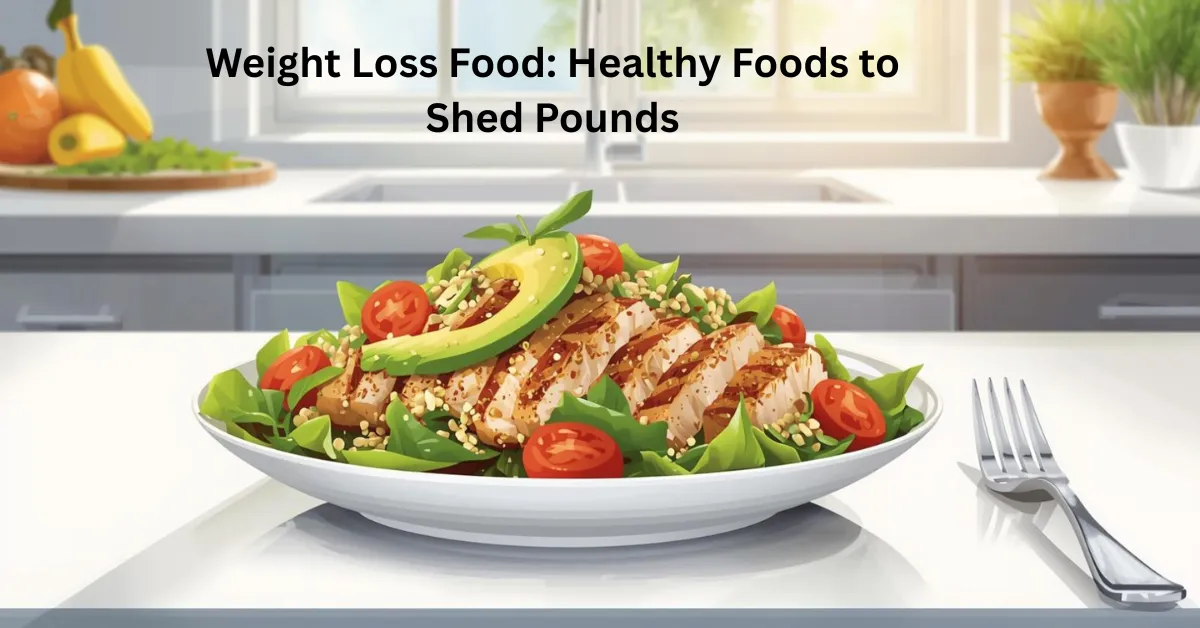
Weight loss food helps support health, energy, and fat loss in ways ordinary meals often cannot. Many people struggle to choose foods that are both satisfying and effective for weight management, and simply saying “eat less” or “avoid junk” can feel limiting and unsustainable. Foods designed for weight loss bring balance, nutrition, and flavor together, turning meals into tools for progress and wellbeing. Weight loss food includes nutritious, low-calorie, and filling options that help reduce body fat while keeping energy levels balanced.
In this guide, we’ll explore the best foods for weight loss, explain why they work, and show you practical ways to include them in your daily meals. Whether you’re looking for fat-burning foods, low-calorie snacks, or healthy meal ideas, this article covers everything you need to make smarter food choices. Weight loss food supports healthy eating by controlling cravings, improving metabolism, and helping the body burn fat naturally.
By the end, you’ll have a complete roadmap to turn your diet into a powerful tool for weight loss and long-term health.
Why Diet Matters More Than Exercise for Weight Loss
When it comes to losing weight, many people focus solely on exercise, thinking that hours in the gym will melt away fat. While physical activity is important for overall health, research shows that diet plays a much bigger role in weight loss. What you eat determines the number of calories you consume, the quality of nutrients your body gets, and how efficiently your metabolism functions.
Choosing the right Weight loss food can make a huge difference. Foods that are high in protein and fiber help you feel full for longer, reducing the likelihood of overeating. Healthy fats, like those found in avocados and nuts, support hormone balance, which is essential for fat metabolism. Meanwhile, certain foods, such as green tea and chili peppers, have a natural thermogenic effect, slightly increasing the number of calories your body burns. Weight loss food helps you feel full for longer, making it easier to manage portions and maintain a healthy lifestyle.
A diet filled with nutrient-dense, low-calorie foods not only helps you shed pounds but also improves energy levels, mental clarity, and overall well-being.
Ultimately, exercise complements diet, but the foundation of effective weight loss food starts in the kitchen. By choosing the right foods, you can naturally control your appetite, boost metabolism, and achieve sustainable results without extreme dieting.
Top Weight Loss Foods and Their Benefits
Choosing the right foods is key to successful weight loss. Certain foods not only keep you full but also help your body burn fat more efficiently. Let’s start with lean proteins and fiber-rich vegetables, two essential categories for any weight loss plan.
Lean Proteins
Protein is one of the most important nutrients for weight loss. Foods like chicken, turkey, eggs, fish, and tofu help you feel full longer, reduce cravings, and preserve muscle mass while losing fat. Protein also has a high thermic effect, meaning your body burns more calories digesting it compared to fats or carbohydrates. Including a source of lean protein in every meal can stabilize blood sugar and prevent energy crashes that often lead to unhealthy snacking.
Fiber-Rich Vegetables
Vegetables are naturally low in calories but packed with nutrients and fiber, making them perfect for weight loss. Broccoli, spinach, kale, carrots, and bell peppers are great examples. Fiber slows digestion, keeping you full for hours and reducing overeating. It also supports healthy gut bacteria, which research shows can influence metabolism and fat storage.
By combining lean proteins with fiber-rich vegetables, you create meals that are satisfying, nutrient-dense, and low in calories. This combination stabilizes hunger, supports metabolism, and makes weight loss more sustainable.
Next, we can cover fruits, healthy fats, and fat-burning foods in the following section to complete the “Top Weight Loss Foods” overview.
Fruits, Healthy Fats, and Fat-Burning Foods for Weight Loss
In addition to lean proteins and vegetables, including fruits, healthy fats, and fat-burning foods in your diet can significantly enhance weight loss results. These foods provide essential nutrients, boost metabolism, and keep you feeling satisfied throughout the day.
Fruits
Fruits like berries, apples, grapefruits, and pears are low in calories but high in fiber and antioxidants. They satisfy sweet cravings naturally without causing blood sugar spikes. Berries, for example, are rich in polyphenols that support fat metabolism, while grapefruit has been linked in some studies to appetite control. Eating a serving of fruit as a snack or part of breakfast can reduce the likelihood of overeating later in the day.
Healthy Fats
Contrary to popular belief, fat can help you lose fat when consumed wisely. Foods like avocados, nuts, seeds, and olive oil provide essential fatty acids that regulate hormones, support brain function, and increase satiety. Including small portions of healthy fats in meals helps curb hunger, so you naturally eat fewer calories overall.
Fat-Burning Foods
Some foods have a natural thermogenic effect, slightly boosting calorie burn. Green tea, chili peppers, and coffee can temporarily increase metabolism, helping your body burn more energy. Combining these foods with a balanced diet amplifies their effects.
By incorporating fruits, healthy fats, and fat-burning foods alongside proteins and vegetables, you create a balanced, nutrient-rich diet that supports weight loss naturally, sustainably, and deliciously.
How to Incorporate Weight Loss Foods Into Your Diet
Eating the right weight loss foods is only effective if you know how to include them in your daily routine. The good news is that small, consistent changes can make a big difference.
Plan Balanced Meals
Start by including a source of lean protein in every meal, like eggs for breakfast, chicken or fish for lunch, and tofu or beans for dinner. Add fiber-rich vegetables to fill half your plate and a serving of fruit for natural sweetness. Include healthy fats like avocado slices or a handful of nuts to feel satisfied longer.
Smart Snacking
Snacking doesn’t have to ruin your weight loss goals. Choose low-calorie, nutrient-dense options like carrot sticks with hummus, Greek yogurt with berries, or a small portion of almonds. These snacks prevent energy crashes and reduce the temptation to overeat at meals.
Meal Prep & Portion Control
Preparing meals ahead of time helps you stick to healthy choices. Use containers to portion meals, ensuring you don’t accidentally eat more than intended. Focus on variety—rotating proteins, vegetables, and fruits keeps your diet enjoyable and sustainable.
Healthy Swaps
Simple swaps can lower calories without sacrificing taste. Replace white rice with quinoa, sugary drinks with water or green tea, and creamy sauces with light dressings or lemon juice.
By integrating these weight loss foods strategically, you’ll naturally control your calorie intake, boost metabolism, and develop a healthy eating habit that supports long-term weight loss. Consistency is key, and even small changes lead to significant results over time.
Common Mistakes to Avoid
Even with the best weight loss foods, mistakes in diet and lifestyle can slow down or even reverse your progress. Being aware of these pitfalls can help you stay on track and achieve lasting results.
Relying Only on “Fat-Burning Foods”
While foods like green tea, chili peppers, and coffee can slightly boost metabolism, they won’t magically melt fat. Relying solely on these items without a balanced diet and proper portion control will not lead to significant weight loss.
Overeating Healthy Foods
Even nutrient-rich foods contain calories. Eating too many nuts, avocados, or whole grains can exceed your daily calorie needs, hindering weight loss. Portion control is essential, even for healthy choices.
Ignoring Hydration and Sleep
Water plays a crucial role in metabolism and appetite control. Skipping sleep can disrupt hunger hormones like ghrelin and leptin, increasing cravings for unhealthy snacks. Proper hydration and 7–8 hours of sleep per night are critical for effective weight loss.
Falling for Diet Fads
Extreme diets that eliminate entire food groups or promise rapid results often fail and can harm your health. Sustainable weight loss comes from balanced meals, portion control, and consistency, not temporary restrictions.
Skipping Meals or Starving Yourself
Cutting calories drastically may seem effective, but it slows metabolism and leads to overeating later. Instead, focus on nutrient-dense, filling weight loss foods that keep you satisfied while reducing overall calories naturally.
By avoiding these common mistakes, you’ll make your weight loss journey safer, more sustainable, and more enjoyable. Smart choices combined with consistency are the key to long-term success.
Scientific Insights – How Weight Loss Foods Work
Understanding the science behind weight-loss foods can help you make smarter choices and stay motivated. Certain foods influence metabolism, appetite, and fat storage in ways that go beyond simple calorie counting.
Protein and Satiety
Protein-rich foods like chicken, eggs, and fish trigger the release of hormones that promote fullness, such as peptide YY and GLP-1. This helps reduce overall calorie intake and prevents overeating. Additionally, digesting protein burns more calories than carbs or fats due to its high thermic effect, meaning your body uses extra energy to process it.
Fiber and Digestion
Fiber-rich vegetables, fruits, and whole grains slow digestion and stabilize blood sugar levels. Soluble fiber absorbs water and forms a gel-like substance in the gut, keeping you full longer. This not only reduces snacking but also supports a healthy gut microbiome, which research shows can influence metabolism and fat storage.
Healthy Fats and Hormones
Unsaturated fats from avocados, nuts, and olive oil help regulate hormones like leptin, which signals satiety to the brain. Balanced hormone levels prevent cravings and encourage fat burning.
Thermogenic Foods
Certain foods, including green tea, chili peppers, and coffee, have thermogenic properties, slightly increasing calorie expenditure. Although modest, this effect complements a healthy diet and supports gradual fat loss.
By choosing foods that target satiety, metabolism, and hormone balance, you can optimize weight loss naturally. Science proves that combining protein, fiber, healthy fats, and fat-burning foods creates a synergistic effect, making it easier to lose weight sustainably without extreme diets or deprivation.
FAQs
1. What are the best foods for weight loss?
Fruits, vegetables, lean proteins, whole grains, and healthy fats are top choices for effective weight loss.
2. Can eating more protein help me lose weight?
Yes! Protein boosts metabolism, keeps you full longer, and helps preserve muscle while losing fat.
3. Are carbs bad for weight loss?
Not all carbs. Whole grains, fruits, and vegetables are healthy carbs that aid weight loss and provide energy.
4. How many meals should I eat for weight loss?
Focus on balanced meals 3–5 times a day. Portion control and nutrient balance matter more than meal count.
5. Is snacking allowed while trying to lose weight?
Yes! Healthy snacks like nuts, yogurt, or fruit can prevent overeating during main meals.
6. Can drinking water help with weight loss?
Absolutely! Water boosts metabolism, reduces hunger, and helps the body efficiently burn fat.
7. Are low-fat foods better for weight loss?
Not always. Focus on healthy fats like avocados, olive oil, and nuts instead of removing all fats.
8. How long does it take to see results from a weight loss diet?
Results vary, but consistent healthy eating and exercise usually show noticeable results in 3–6 weeks.
9. Can intermittent fasting help with weight loss?
Yes! Intermittent fasting can reduce calorie intake and improve metabolism if done safely and consistently.
10. Should I avoid sugar completely for weight loss?
Cutting added sugars helps, but natural sugars in fruits are healthy and provide essential nutrients and fiber.
Conclusion:
Weight Loss Foods are key to a healthy lifestyle. Choosing nutrient-rich, low-calorie options helps burn fat, boost metabolism, and stay energized.
Incorporating fruits, vegetables, lean proteins, and whole grains ensures balanced nutrition.
Consistency and mindful eating make these foods truly effective for long-term weight management.